

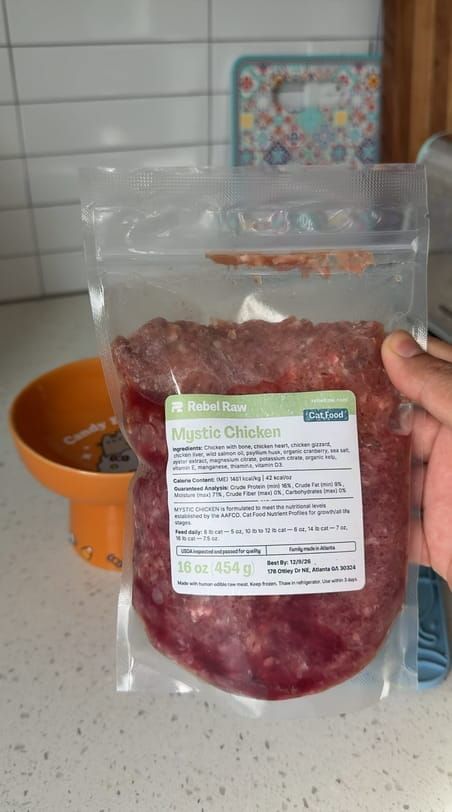
Give Your Cat a Gentle Start with Raw Food
A raw diet for cats is simply real, fresh animal protein and organs, prepared to be complete and balanced, then fed without cooking. Many cat parents are moving this way as seasons change and pets are less active, because they want food that feels like a clean reset instead of more processed meals. Fresh food can support steady energy, better hydration, and lean muscle when it is done the right way.
Still, the shift can feel scary. We hear the same worries all the time: Will my cat even touch this? Will it upset their stomach? How do I know how much to feed? The good news is that most cats do very well when we switch slowly and follow a simple plan. In this guide, we will walk through a step-by-step timeline, how to portion meals, and how to prevent tummy trouble when you move to frozen, balanced raw meals at home.
Why a Slow Transition Matters for Your Cat’s Gut
Cats are creatures of habit, inside and out. Their digestive system gets used to whatever they eat every day. When we swap from kibble or canned food straight to a rich raw diet for cats in one jump, the gut bacteria do not have time to adjust. That is often when we see loose stool, vomiting, or a cat that just walks away from the bowl.
Raw food is usually higher in fresh animal protein and moisture than dry food, and the fat can feel richer at first. The gut bacteria need time to shift to this new menu. A slow transition gives the stomach and intestines a chance to learn this new food without getting upset. It also helps your cat feel safe with the new smell and texture.
Some big benefits of moving slowly are:
- Better stool quality
- More stable appetite
- Less gas and tummy gurgling
- Less stress for both you and your cat
When raw meals are complete and balanced and made from USDA human-grade ingredients, they can support long-term health. The key is not to rush. Think of it as training your cat’s gut, one small step at a time.
Three to Four Week Raw Transition Timeline
Every cat is different, but a 3 to 4 week plan works well for most. You can always slow down if your cat has a sensitive stomach, history of GI issues, or is older.
Week 1: Start Tiny
Begin with about 10 to 25 percent of the meal as raw food, mixed into their usual food once a day. The rest stays the same. Watch:
- Stool in the litter box
- Appetite and interest in food
- Overall energy and mood
If everything looks normal after a few days, you can gently bump the raw portion up within that range.
Week 2: Move Toward Half-and-Half
Now aim for about a 50/50 mix at one or two meals. Keep the same protein or recipe this week to avoid too many changes at once. A simple “poop and tummy” log can help you notice patterns, like softer stool after you increase portions too quickly. If things get loose, pause and hold at the current mix until stools firm up.
Week 3: Mostly Raw
If your cat is doing well, move to 75 to 100 percent raw in at least one meal each day. The other meal can stay at 50/50. Some cats are ready for fully raw meals by the end of this week, others need more time. Always let your cat’s body be the guide, not the calendar.
Week 4 And Beyond: Fully On Raw
By now, many cats are ready to eat all-raw meals. This is a good time to step back and look at:
- Body weight and body shape
- Coat and skin condition
- Litter box smell and cleanup
If your cat is gaining too fast, trim portions slightly. If they look a bit thin or act hungry, add a little more.

Portion Sizes and How Much to Feed
A simple way to start is to feed raw food at around 2 to 4 percent of your cat’s ideal body weight per day. Smaller or highly active cats may need more, laid-back or senior cats may need a bit less. For example, a 10-pound cat often lands somewhere within that range, split into daily meals.
We like to divide the total daily amount into 2 or 3 smaller meals. This:
- Fits your cat’s natural hunt-and-eat rhythm
- Helps prevent gulping and throwing up right after big meals
- Keeps energy more even through the day
Frozen, pre-portioned raw meals make this part simple. You can:
- Thaw what you need in the fridge
- Rotate proteins slowly once your cat is fully on raw
- Label containers so everyone in the house knows what to feed
When recipes are already balanced for cats, you do not have to measure out bones, organs, or extra supplements on your own. That removes a lot of stress, especially when you are just starting.
Preventing GI Upset and Picky Eating
Many cats accept raw food right away, but some are picky or cautious. A few small habits can protect their stomach and help with taste.
For a happier tummy:
- The best way to thaw raw food is in the fridge
- Serve at room temperature
- Keep meals calm and on a routine schedule
If your cat sniffs and walks away, try:
- Starting with milder proteins like chicken or turkey
- Mashing the raw into their usual food so it is harder to pick around
- Sprinkling a little freeze-dried meat treat on top as a “topping”
Soft stool once or twice can be normal as the gut adjusts. If your cat has ongoing diarrhea, repeated vomiting, blood in stool, or if your cat stops eating, slow the transition and talk with your vet. Sensitive or older cats may need 5 to 6 weeks instead of 3 to 4. Young, healthy cats sometimes handle the switch in closer to 2 weeks. There is no one “right” speed, only the speed that works for your cat.
Safe Handling, Storage, and Seasonal Tips
Raw pet food should be treated like raw meat in your kitchen. Basic safety keeps everyone in the home comfortable.
- Wash hands and utensils after handling raw
- Clean food bowls and prep areas with hot, soapy water
- Keep raw pet food separate from food for people
- Refrigerate leftovers promptly and toss anything left out too long
Keep meals frozen until 24 to 48 hours before serving. Thaw portions in the fridge, not on the counter. In warmer months, or during sudden temperature swings in places like the Southeast, be extra careful about how long raw food sits out in the bowl. Cooler rooms and shorter serving windows help keep food fresh.
Frozen, small-batch meals that ship in insulated packaging give you a head start on safety, since they arrive ready to move straight into your freezer.
Ready to Start Your Cat’s Raw Path
Before you begin, pick a start day that feels calm, like the beginning of a week when your schedule is not packed. Gather tools that make life easier, such as:
- A digital kitchen scale
- Containers set aside for cat food only
- Extra bowls so you can rotate clean ones
- A simple notebook or notes app to track stool, appetite, and weight
Then follow the week-by-week plan, keep an eye on your cat’s signals, and give their gut time to adjust. With clear steps, steady portions, and balanced raw meals designed for cats, feeding fresh food can turn from a big project into a simple daily habit that feels good for both of you.
Help Your Cat Thrive With Fresher, Smarter Nutrition
If you are ready to move beyond highly processed kibble, we make it simple to start a balanced raw diet for cats tailored to real-world feeding. At Rebel Raw, we carefully portion, grind, and package recipes so you can focus on watching your cat’s energy, coat, and digestion improve. Explore our options, choose the proteins your cat loves, and place your first order to see the difference fresh, species-appropriate food can make.